
The Morality of Survival
The Dark ForestThis flow examines how the novel turns survival from a biological instinct into a contested moral principle.
increasing Bearing strength in each event
 decreasing
Bearing strength in each eventdecreasingEscape Fund Conflict
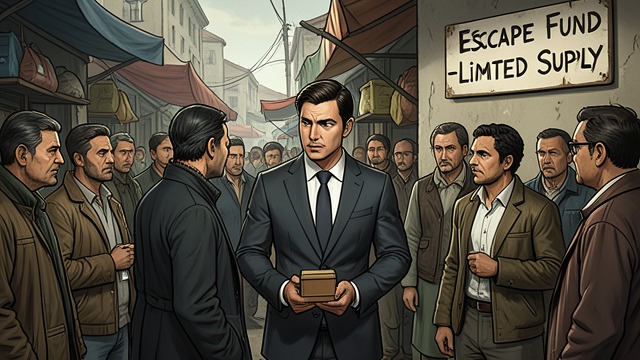
Who Deserves Tomorrow
A Market for Survival
Zhang Yuanchao is persuaded to buy an escape fund for his descendants. The scheme exposes how survival can become a commodity during civilizational crisis.
Equality Against Selection
The United Nations declares Escapism illegal because any escape program would divide humanity into those permitted to live and those abandoned. Equality becomes both ethical principle and practical obstacle.
Tyler's Sacrifice Doctrine
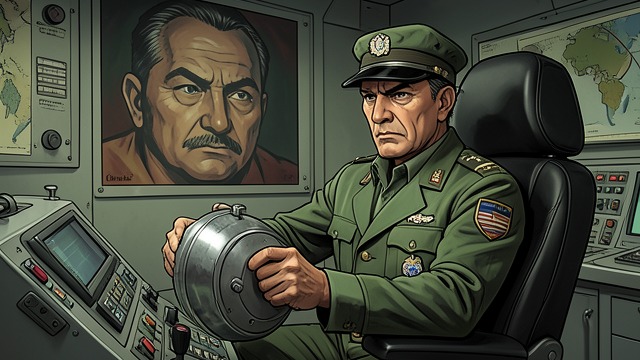
Lives as Weapons
The Mosquito Swarm
Frederick Tyler proposes pilots who will carry superbombs into enemy ships. He seeks not only military capability but a revival of unquestioning sacrificial duty.
A Moral Reversal
Modern society rejects the right of governments to demand suicide missions. Tyler interprets that refusal as civilizational weakness, while others see it as the value humanity is supposed to defend.
Rey Diaz's Hostage Logic
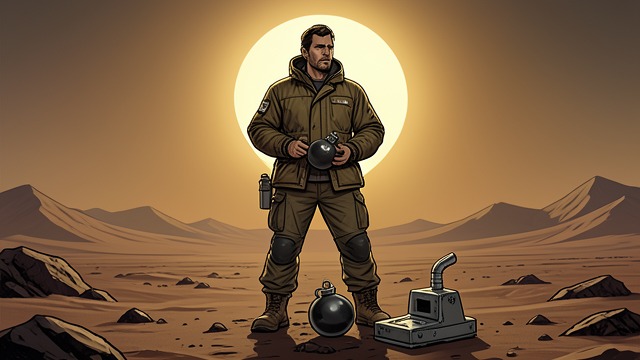
Deterrence Through Extinction
Mercury as a Weapon
Manuel Rey Diaz plans to place millions of Stellar Hydrogen Bombs on Mercury and drive the planet into the sun. His strategy threatens mutual annihilation rather than conventional victory.
The Cradle System
He secretly links the plan to a dead-man trigger, making his own death a possible catastrophe. The strategy exposes how survival logic can become indistinguishable from terrorism.
The Great Ravine
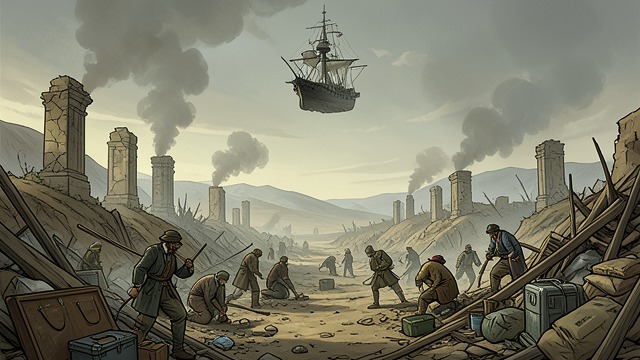
Civilization Chooses Life
Famine and Collapse
Resource mobilization, environmental decline, and population pressure produce the Great Ravine. Billions die while the war effort continues.
Civilizational Immunity
The survivors reject any strategy that sacrifices present life for distant victory. Civilization immunity becomes a collective memory of suffering and a new moral foundation.
The Dark Forest Choice
Survival Beyond Innocence
The Unacceptable Act
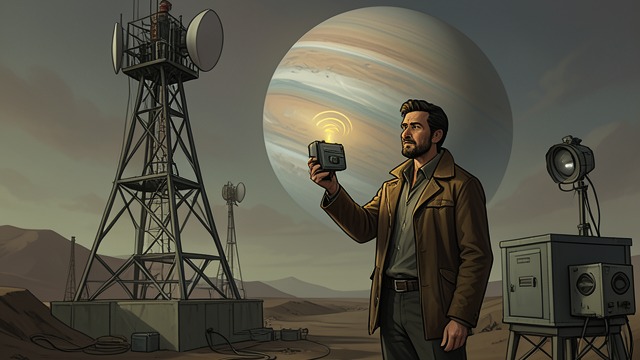
Luo Ji threatens to expose Trisolaris, knowing that the broadcast may invite unknown civilizations to destroy both worlds. His action violates ordinary humanitarian morality.
Responsibility Without Purity
He accepts that survival may require an unforgivable act. The novel leaves him alive not as a triumphant hero, but as someone who bears responsibility for choosing the least impossible evil.
Year 3, Crisis Era
Years 3-8, Crisis Era
Year 20, Crisis Era
Years 20-205, Crisis Era
Year 208, Crisis Era
